Beyond poison ivy
Other Invasives or Undesirables
A full page on the other plants we handle is coming soon. In the meantime, here is what you should know about black swallowwort, or browse the rest of the site and our other channels.
Black Swallowwort
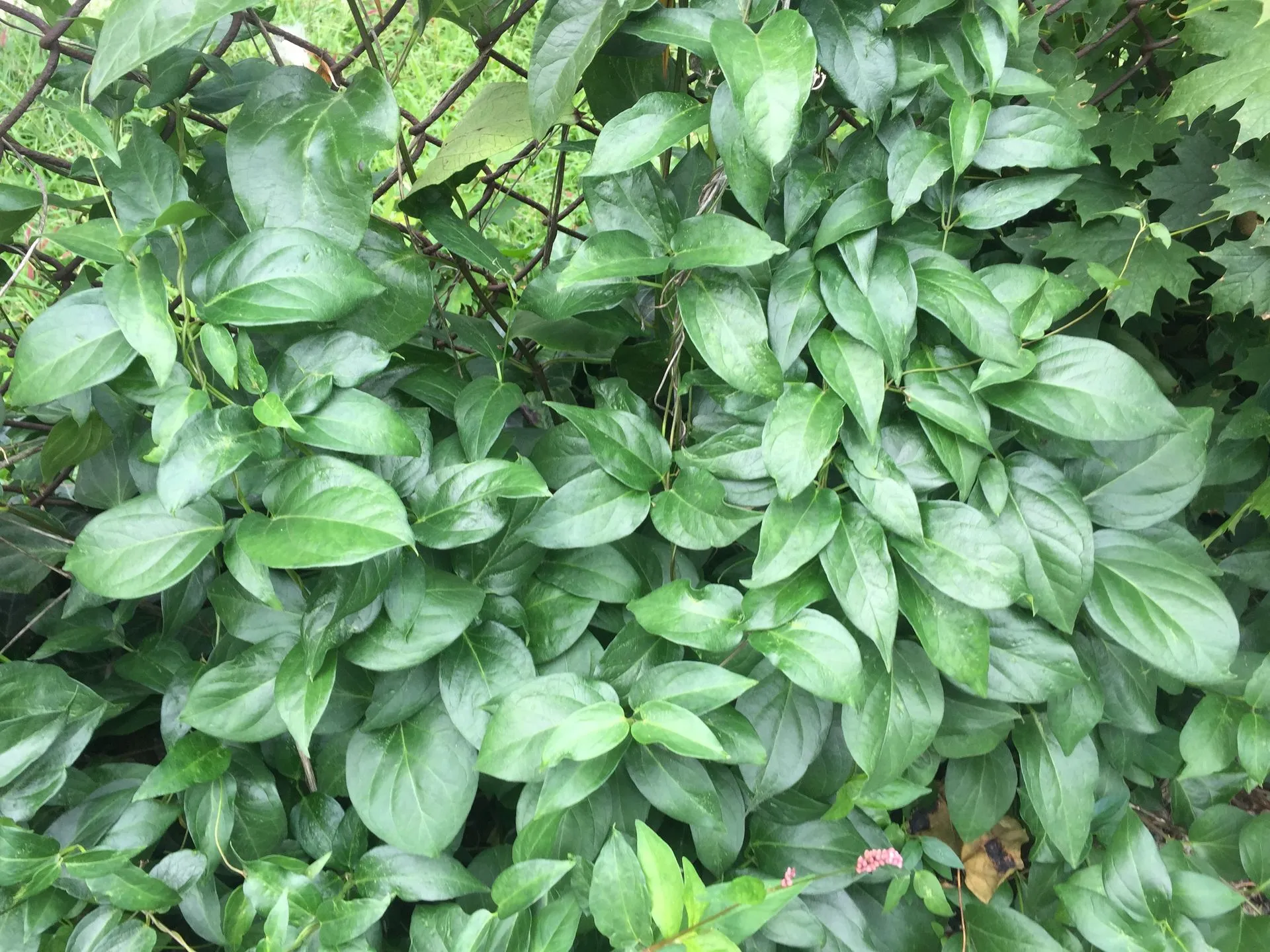
Black Swallowwort (Vincetoxicum nigrum) is a highly invasive, perennial vine native to Europe. It poses serious ecological threats due to its aggressive growth and ability to outcompete native plants.
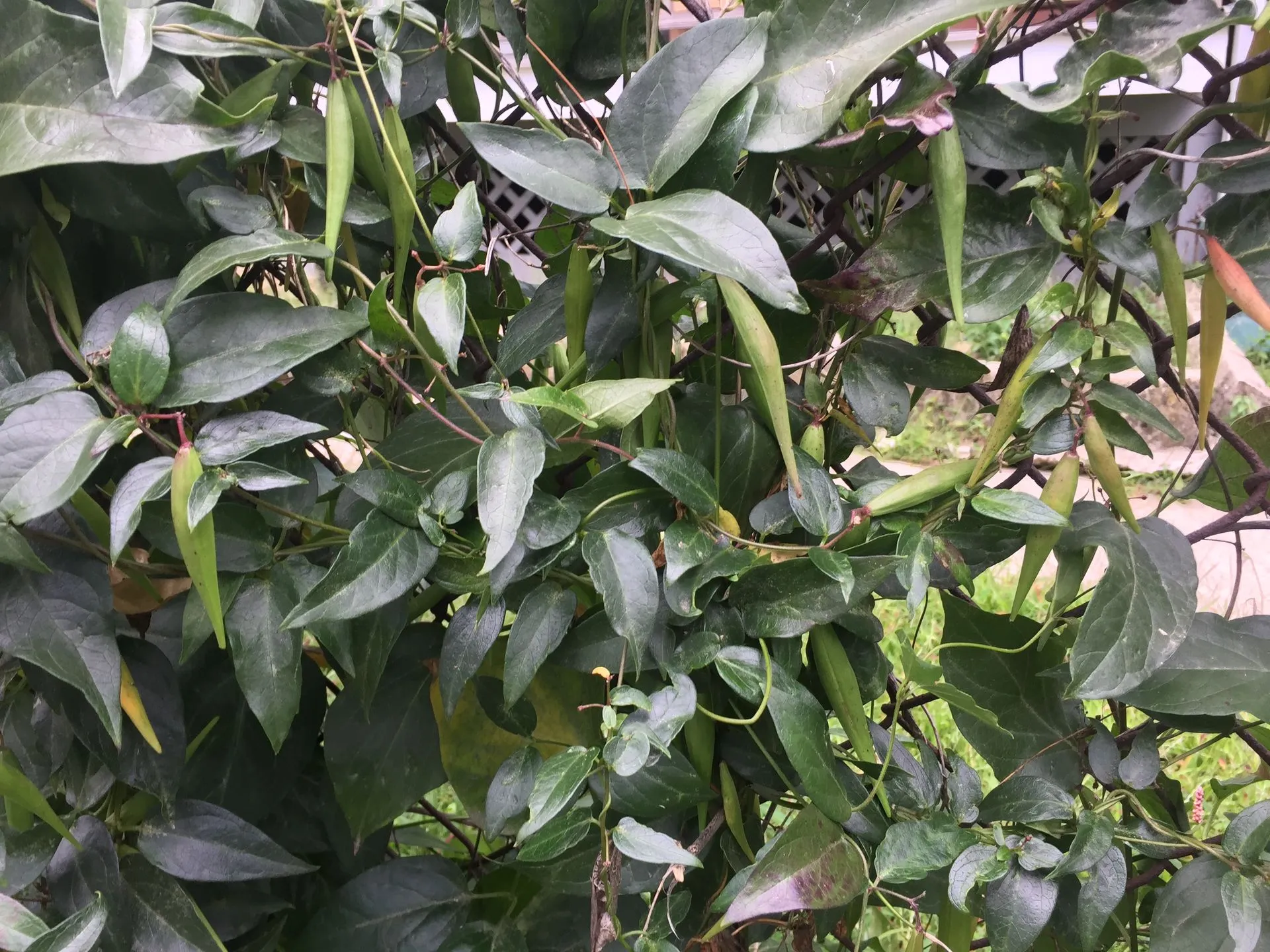
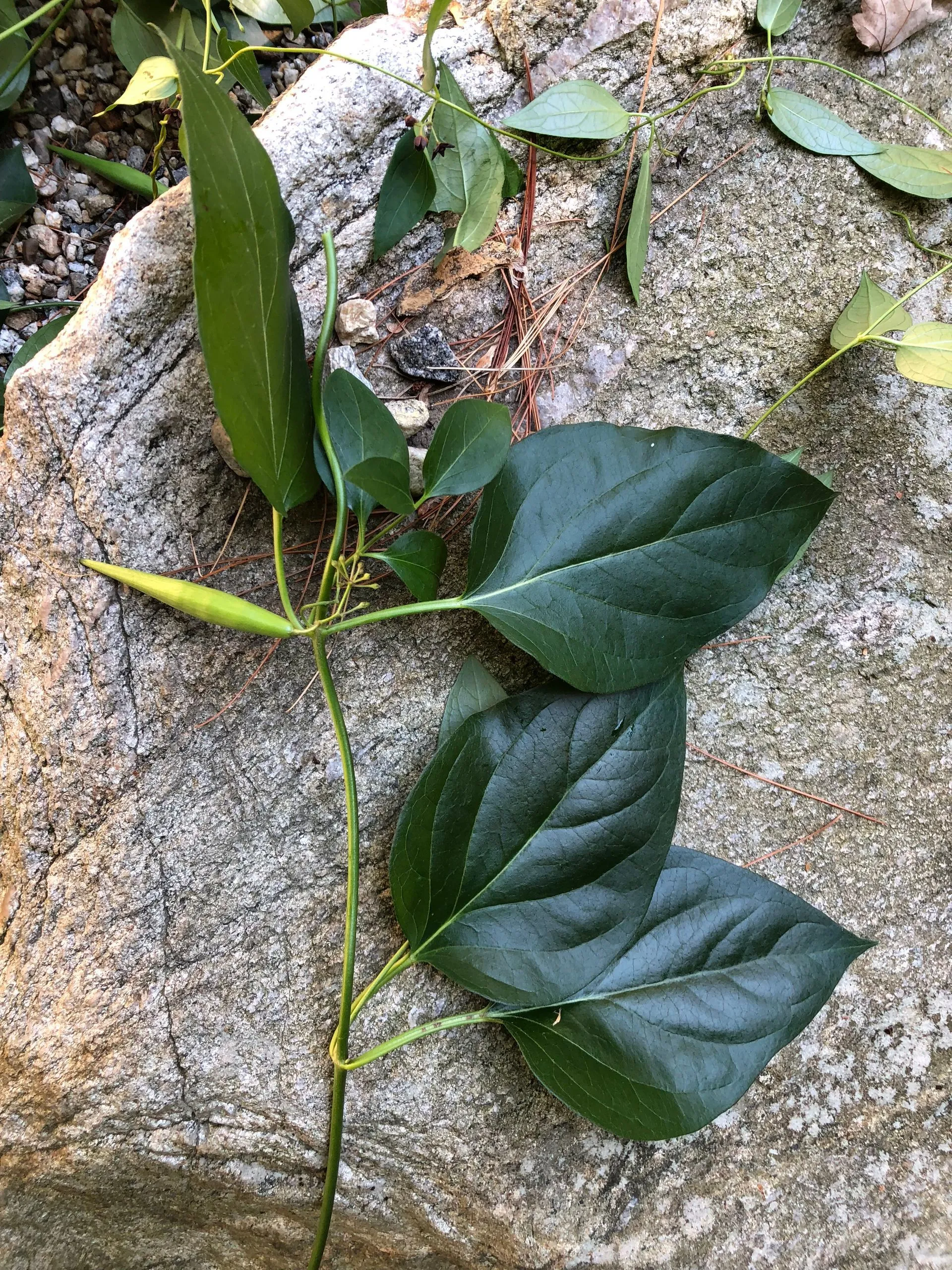
The leaves are dark green, shiny, and oval-shaped with pointed tips, arranged oppositely along the twining, climbing stem and capable of forming dense mats. The flowers are small, star-shaped, dark purple to black, with five petals producing long, slender, seed pods resembling milkweed pods, containing wind-dispersed seeds with silky tufts.
Why Black Swallowwort Is So Hard to Get Rid Of
Black swallowwort comes back every year from a tough root crown just below the soil. Pulling the vines almost always leaves part of that crown behind, and mowing or cutting only knocks the top growth back. Left alone, it climbs fences, shrubs and young trees and smothers garden beds, and each plant can release a large number of seeds when its pods split open in late summer. The wind carries them into neighboring yards, woods and fields.
It is also a problem for wildlife. Monarch butterflies sometimes lay their eggs on it because it is related to milkweed, but the caterpillars cannot survive on it.
How We Can Help
We treat invasive and undesirable plants the same way we treat poison ivy: an educational site visit to identify what is growing on your property and where, a map of the affected areas with your quote, and a targeted treatment that goes after the roots, not just the leaves. If you are dealing with swallowwort, Japanese knotweed, bittersweet or another plant that keeps coming back, contact us and tell us what you are seeing. Photos help.
Still fighting poison ivy? See our poison ivy eradication service and our photo gallery.